
Publish, Close the Tab
A 400 word draft sat in my Google Doc for three years. Every morning I'd change a word and call it editing. The words never changed. I did.

There's a 400 word piece that sat in a Google Doc of mine for three years.
Not a big piece. Not a magnum opus. Just a thought about something I'd been noticing, the kind of thing you write in twenty minutes and then spend three years deciding whether you're allowed to publish.
Most mornings I'd open the tab. Change a word. Close the tab.
I told myself I was editing.
The Piece Didn't Change. You Changed Around It.

Elizabeth Gilbert wrote in *Big Magic* that creative work has a shelf life. Not the work itself, the energy behind it. The thing that made you write it in the first place. It shows up, it waits for you to act, and if you don't, it leaves and finds someone else.
I think about that a lot, because that piece never changed. The words in year three were the same words from week one.
I changed around it.
Week one it was a thought I wanted to share. Month two it "needed more work." Month eight it was evidence I'm not as good as I think I am. Year three it was just shame sitting in a Google Doc.
Same words. Same font. Same document. It felt like a completely different object every time I opened it.

That's what creative doubt actually does. It doesn't kill the work. It buries the work under you.
Perfectionism Is a Twenty Ton Shield
Brené Brown calls perfectionism a twenty ton shield in *Daring Greatly*. You carry it thinking it protects you from judgment.
It doesn't. It just keeps you from being seen.
Which means the draft isn't getting better. You're finding new ways to delay the moment someone reads it and forms an opinion about you.

That isn't overcoming perfectionism. That's serving it, with extra steps.
The Fear Is a Compass, Not a Warning
Steven Pressfield calls it Resistance, capital R. In *The War of Art* he makes the point that Resistance fights hardest against the work that matters most to you. The intensity of the avoidance is proportional to the importance of the thing.
Which flips the whole signal.
The draft you can't publish, the one that makes your chest tight when you think about hitting send, that's not the one to leave alone. That's the one.
The fear isn't telling you to stop. It's telling you which direction the real thing is in.

Sometimes the Draft Really Is Bad
I have to be honest about the other side, because pretending otherwise would make this useless.
Sometimes the work isn't ready. Sometimes shipping it would just be noise. Not every "not yet" is cowardice.
So how do you tell "this needs more time" from "I'm hiding"?
The voice that says not yet sounds exactly the same whether it's protecting you or lying to you, and anyone selling you a clean test for it is selling something.
There's no diagnostic. There's just a choice, made without the information you want.
Shipping Is How You Get Ready
Anne Lamott's whole argument in *Bird by Bird* is that good writing starts as bad writing. The draft is supposed to be bad. The expectation that it should arrive finished is the disease, not the standard.
Seth Godin takes it a step further in *The Practice*. Shipping isn't what you do once you're ready. Shipping is how you get ready. The act of putting it out is the practice, not the reward for having completed the practice.
Which means every day that draft sits in the doc, you aren't getting closer to ready.
You're getting further from it.
What Actually Happened

I published the piece eventually.
Not because I decided it was ready. Not because the doubt lifted and I saw clearly. I published it because I'd spent more time thinking about publishing it than I ever spent writing it, and that ratio finally embarrassed me.
So I just did it. Hit publish. Regretted it immediately, for about two seconds.
Then nothing. A few people read it. Someone messaged me. The catastrophe I'd rehearsed for three years declined to show up.
That's the part nobody warns you about. Not that publishing goes well, but that it mostly goes quietly, and the silence is so much smaller than the thing you were protecting yourself from.
"Is This Good Enough" Is a Trapdoor
Here's what I actually figured out, and I figured it out by accident.
The question has no bottom and no answer, and asking it more carefully doesn't help.
The questions that work are smaller and answerable:
That's the whole grading scale. Three things, all of which you can answer in about a minute.
If it passes, publish it and close the tab.
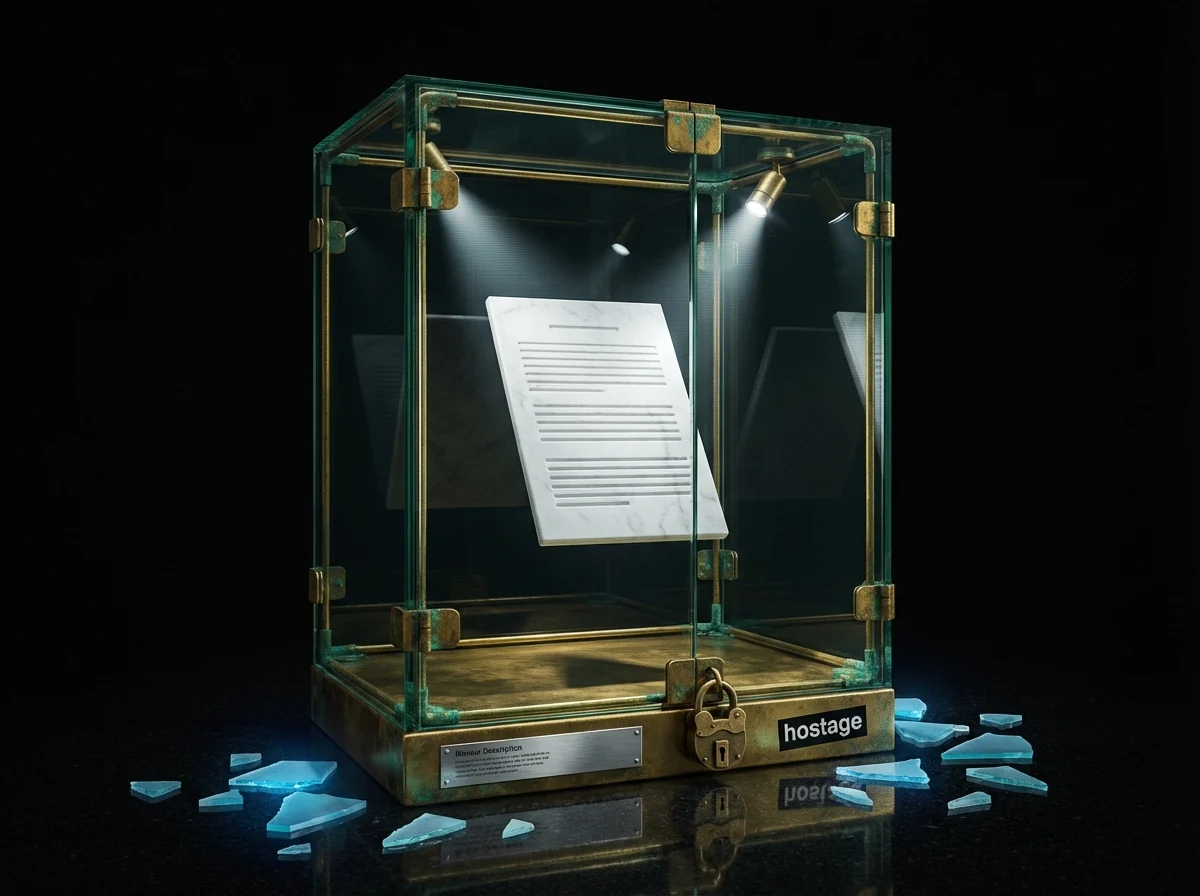
And if you've read it more than twice without changing anything meaningful, it isn't a draft anymore. It's a hostage.
What You're Actually Deciding
The real risk was never a bad post.
The real risk is what a not-yet habit does over time. Every draft you abandon teaches you that abandoning is the move. Every not yet becomes the default setting. And Gilbert is right that the energy leaves, except it doesn't only leave the piece. It leaves you.
One day you're someone who used to make things. You won't notice the day it happened, because it happened one closed tab at a time.

So at some point you're not deciding about a draft. You're deciding which of two people you're going to be: someone who ships, or someone who edits in perpetuity.
I'm trying to be the first one. Most days I'm still the second.
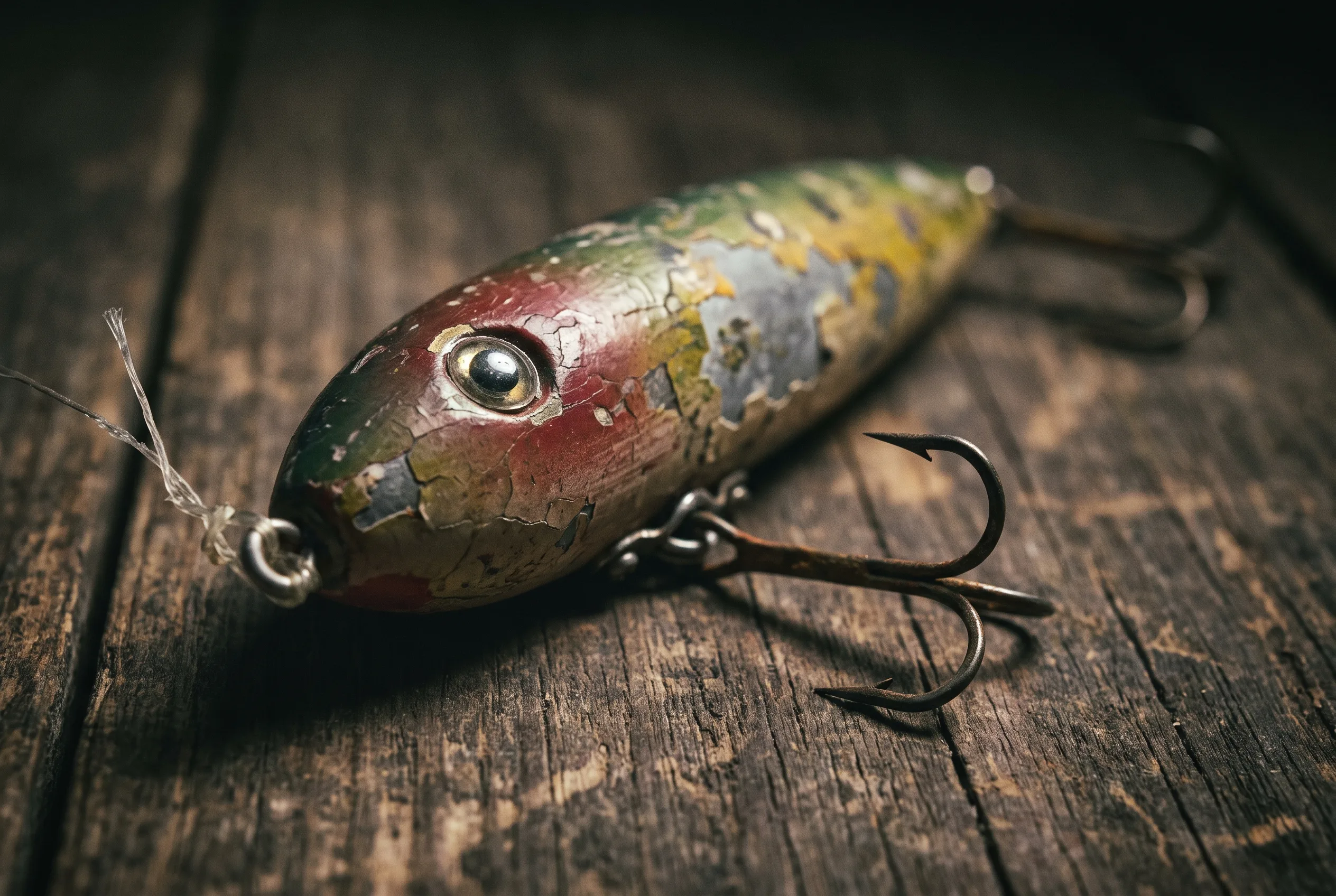
Anyway. Here's someone telling you to ship it anyway.
Let it sail.
> More from the Index
All posts →

> Get posts like this
Keep the thread going.
New pieces land here first. No schedule, no noise, just the ideas worth the room in your inbox.
- Essays on attention, craft, and building
- What I got wrong, with the receipts
- The occasional teardown of something I built
Unsubscribe anytime · No spam
.gif)
> ReturnSend
Subscribe Now.
Wake up curious. The work, the art, and the ideas underneath. Occasional, personal, and only when there's something worth sending.