
Simple by Design, or Simple by Default?
There's a difference between simple because it's right and simple because nobody asked. Both produce the same website. Only one is a decision.
There's a difference between simple because it's right and simple because nobody asked, "what else is possible?".
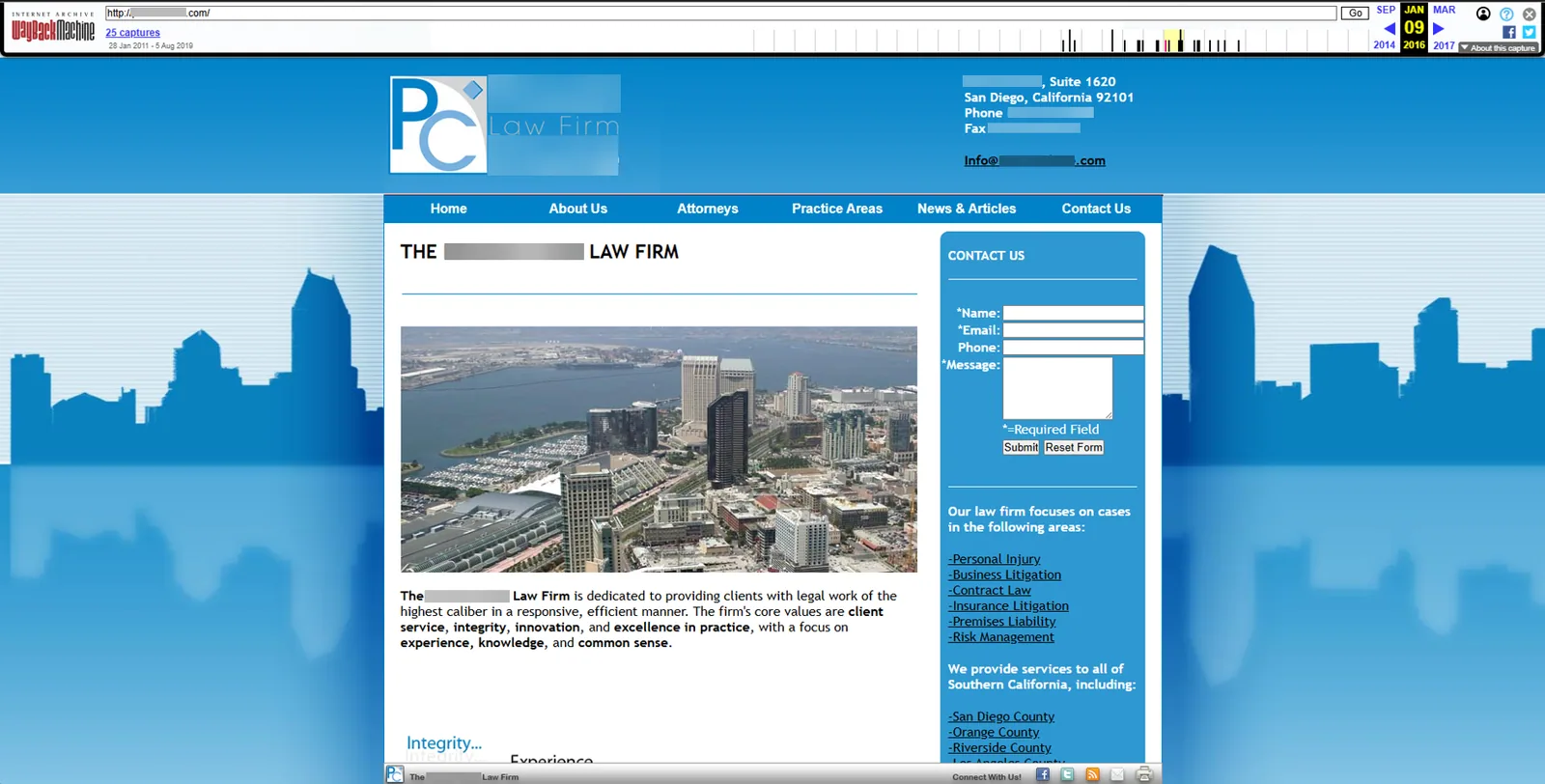
I've been sitting with that distinction for a few weeks now, because I'm in the middle of building a law firm website and the client is the good kind:
They want clean, professional, functional. No games, no glamour. They run an honest practice and want a site that reflects it.
I can work with that and it's the right build for them.
But being inside the project and seeing what's actually available now is what got me thinking.
Most Law Firm Sites Do Exactly One Thing
They exist.
Contact form, practice areas, maybe some bios. That's the whole surface area.
And for plenty of firms that's correct. You're getting referrals. Your reputation does the work. You aren't trying to win a search category. Why complicate it?
Fair enough.
But it's worth separating the firms who chose that from the firms who defaulted into it, because only one of those groups made a decision.
What's Actually on the Shelf Now
The thing that caught me off guard wasn't the build.
It was realizing how much sits available that most firms don't know exists.
A website doesn't have to just sit there. It can work as infrastructure rather than a brochure.
For example: intake.
Most firms have a form and a phone number. What's possible now is that someone lands at 11pm, stressed about a custody case, and gets walked through initial questions by something trained on that firm's actual practice areas. Not generic chatbot filler. Something that knows family law from estate planning to personal injury and routes accordingly.
Or video intake, because some people don't want to type, they want to talk. That's a real accessibility difference, and it quietly filters for seriousness.
The back end is where it compounds.
Lead scoring that separates ready-to-hire from browsing. Calendar sync so consultations book themselves. Follow-up sequences that keep the not-yet people warm until they are.
You wake up to three qualified consultations booked, two leads nurtured, and one dead end filtered out before it took an hour of your day.
None of that is speculative. It's available if you know to ask.
37signals built a company on the opposite instinct, that a tool should do less and do it well, and it's the right counterweight here.
You almost certainly don't need all of the above.
You should know it exists before deciding you don't.
The Trust Problem
People don't trust law firms by default. You know it, they know it.
Robert Cialdini mapped what actually moves this, and the levers are social proof, authority, and consistency. Not logos. Not trust badges.
So what works on a law firm site is the stuff that feels real.
Case studies with actual outcomes. Not "we won a case" but what happened and why it mattered. Anonymized where it has to be, but specific. That's social proof doing its job, because people believe stories over claims.
Video introductions from the actual attorneys. Not corporate headshots, not stock footage. A person talking. That's authority you can feel in about four seconds.
And pricing. People hate guessing what something will cost them. Transparent pricing, or at minimum a transparent process, goes further than another badge ever will.
That's consistency: you tell people what to expect and then you do that.
Also, real-time availability, so they can book without the back and forth.
It isn't complicated. It's basically just honesty at scale, which I'm a hug fan of.
Content That Doesn't Read Like Content
Most law firm blogs are unreadable. Either too legal for anyone to follow, or too generic for anyone to care.
What works is narrower.
FAQs that answer what people actually type into Google at 2am when they're panicked.Practice area pages that explain first and sell second. Email sequences for people who aren't ready now but might be in six months.A checklist or guide worth keeping.
You're not trying to run a content farm. You're trying to be useful in a way that gets remembered.
The Part Nobody Sees and Everybody Feels
CRM integration. Lead scoring. Heatmaps showing where people abandon the page. Testing. Monthly reporting that says something.
Most firms launch a site and hope.
But if you're spending anything on ads or SEO, you need to know what converts, or you're guessing with a budget attached, which is the expensive kind of guessing.
I see the split in my own client work. The firms that track what happens on their site make better decisions. The ones that don't keep doing what they've always done and wondering why the numbers don't move.
Why Most Firms Won't Do Any of This
Because they don't need to. Or the content isn't ready. Or they're skeptical of marketing generally. Or they have enough work and don't want to disturb it.
All legitimate.
There's real wisdom in not overbuilding, and in recognizing when simple is exactly right. A one-person estate practice in a small town does not need what a ten-attorney firm chasing personal injury search in a major metro needs.
Knowing which one you are is most of the strategy.
What I'm Actually Building
For this client, what they asked for:
"Clean site, anti-spam contact system, SEO foundation, email setup, and a structure that can expand if they ever want more."
It feels right. They don't need a machine. They need a foundation. And there's something I respect about a client who knows what they want and doesn't get pulled around by what's shiny.
I'm also aware of everything on the shelf, because there are firms competing hard who need the site to work like an employee rather than a business card.
For them the tooling is ready and waiting.
The Question Worth Answering
Not what's possible. Not what your competitor has.
What would actually move the needle for your practice.
Building for its own sake is expensive and frequently pointless. Building what you need now with room to grow is the move.
Both can produce the same website. Only one of them is an intentional decision.
> More from the Index
All posts →


> Get posts like this
Keep the thread going.
New pieces land here first. No schedule, no noise, just the ideas worth the room in your inbox.
- Essays on attention, craft, and building
- What I got wrong, with the receipts
- The occasional teardown of something I built
Unsubscribe anytime · No spam
.gif)
> ReturnSend
Subscribe Now.
Wake up curious. The work, the art, and the ideas underneath. Occasional, personal, and only when there's something worth sending.